


How to Build a Backyard Tiki Bar
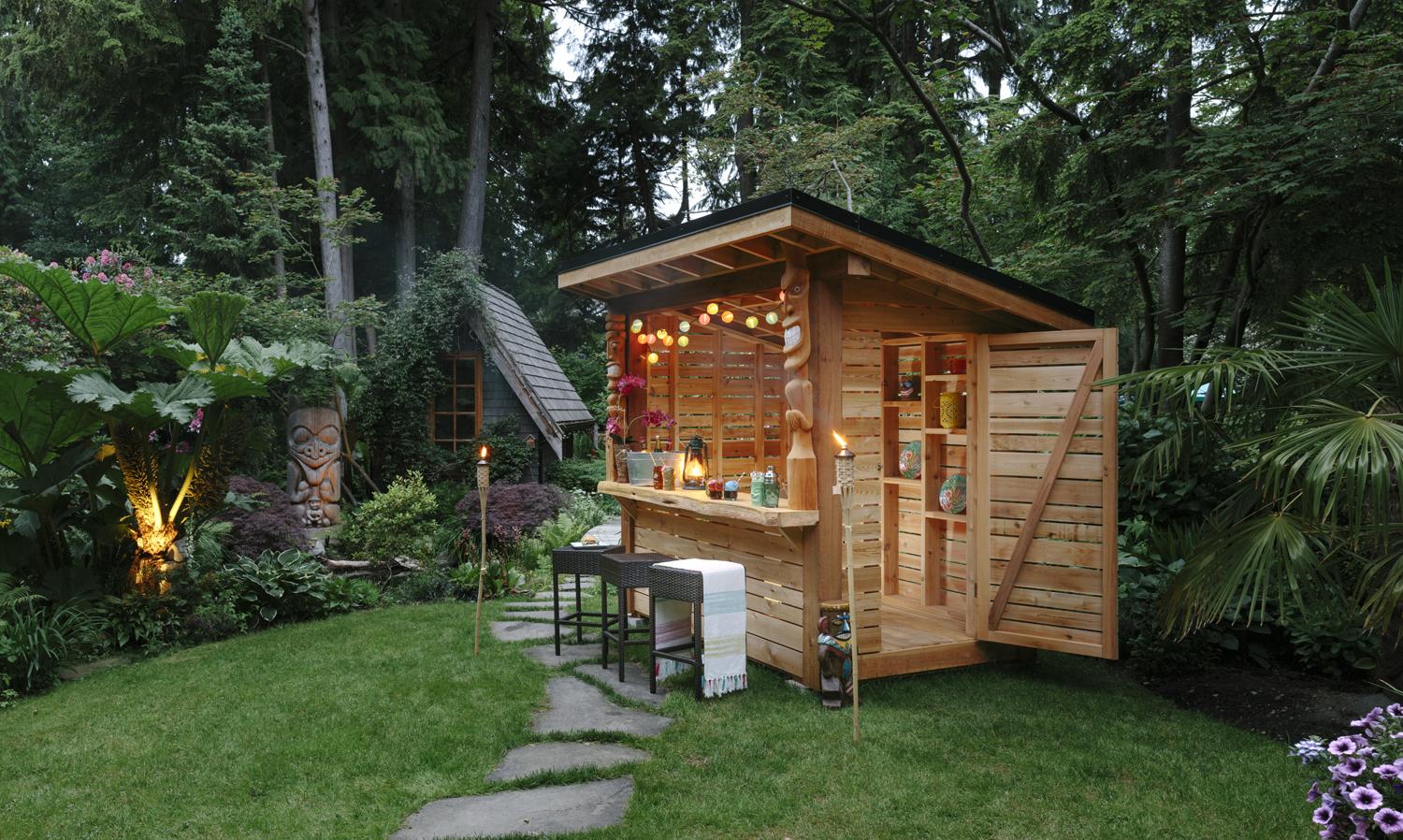
Want to make your outdoor living space the place to be this summer? We have everything you need for this DIY project: free downloadable plans, a materials list, and a step-by-step video walkthrough.
Some backyard builds are good for a season—perfect from the first warm weekend to the last late-summer night, and then they quietly fade into the background.
Jim West doesn’t build that way.
As the owner of Westworks Construction, Jim designs backyard structures that prove useful year-round. Take this Real Cedar tiki bar, for example. This outdoor oasis has a second life baked in: in summer, it’s the place where drinks get poured and everyone ends up gathering. When the season’s over, the shutters close, the bar supplies get packed away, and it turns into tidy storage for outdoor cushions—and anything else you’d rather keep clean, dry, and out of sight.
Another functional aspect of this design is that it’s built in panels, so it’s easier to move into place.
“Backyards change,” Jim says. “Maybe you add a patio, maybe you shift the furniture layout. If you build in panels, you’ve got options. You could even load this up in sections, bring it to the summer cottage, and assemble it there.”
Starting Point: Material Choice that Makes It Feel Warm
Once the concept is set, the next choice is the one you notice first: the wood. Jim goes with Real Cedar—choosing a beautiful knotty grade for the build.
“Architect Knotty is the perfect grade for a tiki bar,” Jim says. “You get all this added texture and warmth. It’s also a smart way to bring character into a project without driving up costs.”
Then there’s the outdoor reality: sun, rain, humidity, the occasional spilled drink—plus the months when the structure is closed up and doing its second job as storage. Western Red Cedar is naturally resistant to rot, decay, and insects, which helps it last season after season with minimal upkeep.
“That’s the goal with a summer social hub like this,” Jim says. “Spend more time manning the bar and less time maintaining the bar.”
There’s an environmental upside, too. Building with wood such as Real Cedar means a smaller carbon footprint than building with man-made alternatives—and because wood stores carbon while it’s in use, cedar helps fight climate change.
“Plus, Real Cedar is harvested from sustainably managed forests,” adds Jim, “so it’s a choice you can feel good about.”
Built Like a Backyard Room—Made to Last
Jim starts where good outdoor builds always start: underfoot. He begins with the floor frame. His biggest pro tip before any boards go down is basic—but it’s the difference between a deck that behaves and one that fights you.
“Before installing decking, always make sure your frame is square and true,” Jim says. “I can’t stress that enough. And make sure you’ve got spacing between each slat for proper airflow, and a place for debris to fall through.”
For decking, Jim turns to his go-to choice.
“We’re looking at 2×6 cedar here,” he says. “It’s probably our most commonly used decking material because it scales well for decks, it’s beautiful, and it lasts. I’ve built decks for clients with this material years ago, and 20 years later they still look as good as the day I installed them. Honestly, Real Cedar is my best calling card.”
Time for Tiki Vibes and Carpenter Dreams
Next up is the back wall—the part that gives the bar its personality. Jim’s design uses 2x6s to emphasize a shelving system laid out in a deliberately random pattern for that collected, not-cookie-cutter tiki feel. It’s practical for bottles, blender, etc, but it also invites the fun stuff: mugs, lanterns, plants, and the souvenirs that tend to accumulate over a few good summers.
“I want this project to be easily customized,” Jim adds. “Use the shelves for glassware, bar curios—whatever fits your space and your style.”
With these sections complete, the build starts clicking along.
“Whether you’re a pro or DIYer, Real Cedar is a dream to work with,” Jim says. “It’s true and straight. It cuts easily and it takes fasteners exceptionally well. It just makes things easy.”
One Beachy Roofline and Shutters for Storage
From there, Jim builds the side walls and brings in 6×6 posts—structural enough to carry the roof, and substantial enough to give the whole thing that relaxed “beach shack” posture that reads instantly as casual and welcoming.
With the roof on, he shifts to the clean-up details: fascia to tighten the roof edge, trim pieces to finish the lines—and then the components that turn a summer hangout into an all-season helper. A door and shutters let him close it up when the weather shifts.
And then, of course, the part everyone leans on: the bar top. Jim uses a raw slab for this one, but he’s quick to point out you don’t need a specialty source to get the look.
“If you don’t have access to a slab, a 4×12 piece of Real Cedar would look just as great,” he says. “Simple, clean, still warm.”
Let It Weather, or Make It Yours
Jim’s plan for this tiki bar is the most cottage-friendly finish of all: no finish—at least not right away.
“We’re just going to let this weather naturally,” he says. “Eventually it turns into that beautiful silvery patina.”
But if you prefer a different look, cedar gives you options. “It’s pitch- and resin-free,” Jim says. “So it holds a wide range of finishes beautifully. You can really personalize it.”
Whichever direction you take it, it’s destined to be your go-to hangout this summer. From backyard weddings and family celebrations to the quiet weeknights in between, it’s built to be the place everyone gravitates toward. Outdoor living at its best.
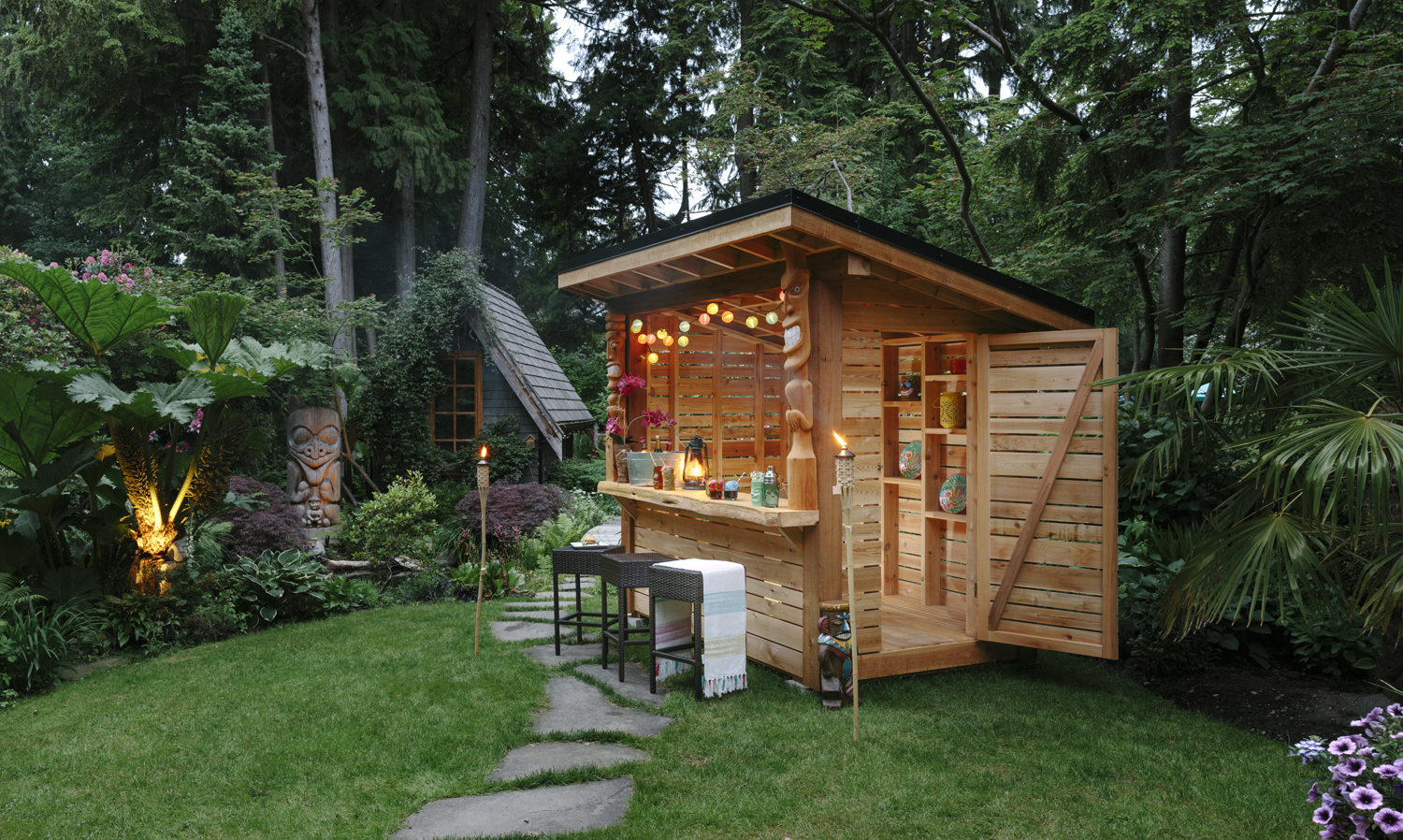
Watch the full video above to see Jim’s tiki bar come together—and see why Real Cedar is the ideal material for backyard projects that look great summer after summer.