


Western Red Cedar Tongue & Groove Siding
Introduction
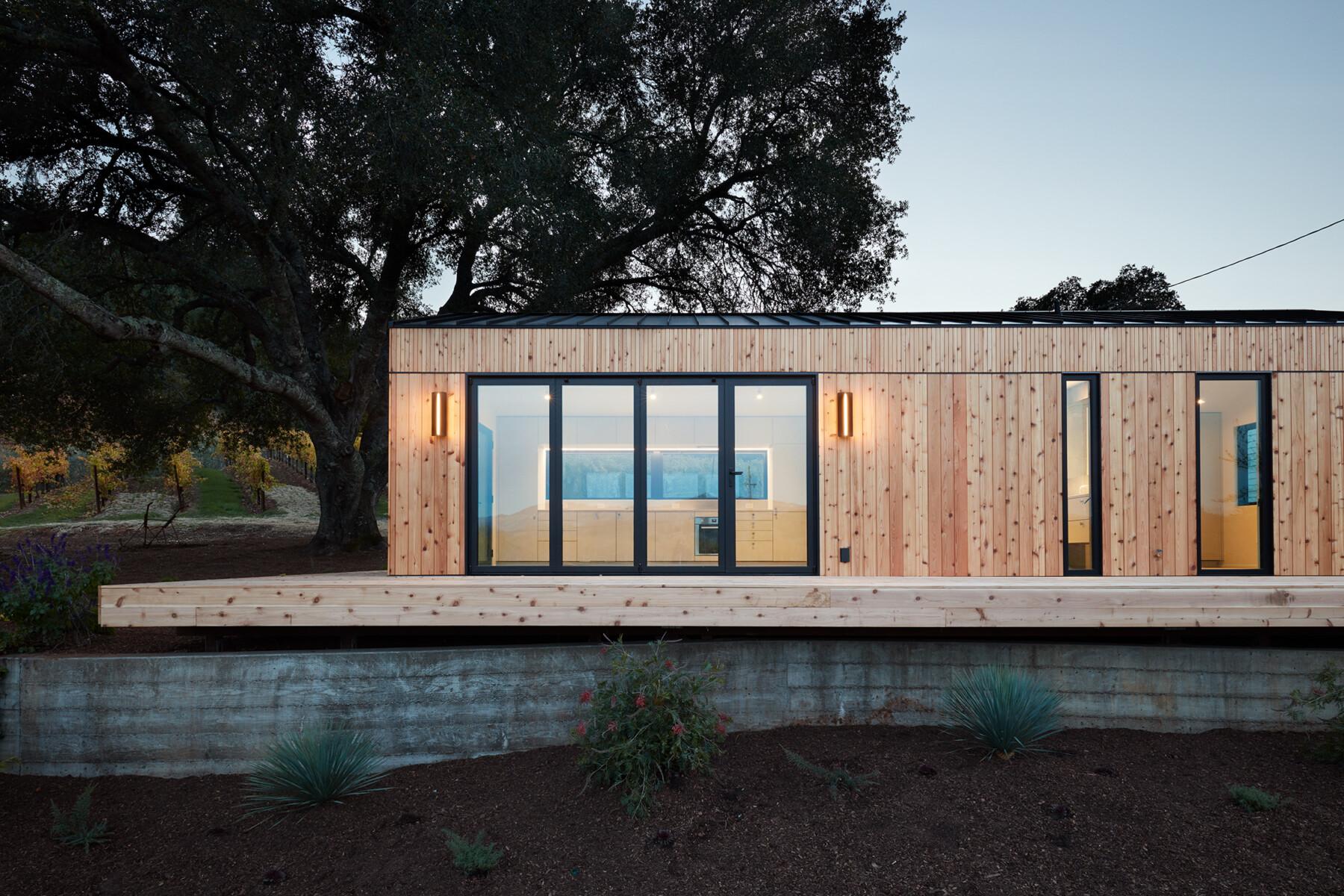
Western Red Cedar Tongue & Groove is widely used for its good looks and versatility. It can be installed horizontally, vertically or diagonally, each method giving a distinctly different look. Tongue & groove siding is available with rough or smooth faces. Both seasoned (kiln-dried) and unseasoned (green) sidings are available.

Available from our Premium Retailers



Grades
Tongue & Groove Siding Grading
Tongue and groove siding is manufactured in clear grades suitable for a more formal, elegant appearance, particularly when pieces are smooth faced. Knotty grades are in demand for their smart, casual look.
Tongue and groove siding is available with rough or smooth faces. Both seasoned (kiln-dried) and unseasoned (green) sidings are available.
The joints between adjoining pieces are usually v-shaped but flush jointed, reveal and radius joints are also available. The different joints and surface textures in tongue and groove siding combine to provide a range of shadow line effects that enhance the product’s versatility.
Please visit the Siding Grades page for more photos of various siding grades.
Joints
The joints between adjoining pieces are usually v-shaped but flush jointed, reveal and radius joints are also available. The different joints and surface textures in tongue and groove siding combine to provide a range of shadow line effects that enhance the product’s versatility.
Dimensions
Tongue and Groove Sizes
| Nominal | Finished | ||
|---|---|---|---|
| Green | Dry | ||
| Thickness (in.) | 1 | 3/4 | 11/16 |
| Widths (in.) | 4, 6, 8 | 3-9/16, 5-1/2, 7-3/8 | 3-3/8, 5-3/8, 7-1/8 |
Coverage
Tongue and Groove Coverage
Tongue and Groove Siding Coverage Table For Dry (Seasoned) Siding
| Nominal Width (in.) | Dressed Width (in.) | Exposed Face Width (in.) | Linear Feet Factor | Board Feet Factor |
|---|---|---|---|---|
| 4 | 3-3/8 | 3 | 4.00 | 1.33 |
| 6 | 5-3/8 | 5 | 2.40 | 1.20 |
| 8 | 7-1/8 | 6-3/4 | 1.77 | 1.19 |
Specifications
Tongue and Groove Specifications
The following information is required when specifying tongue and groove panelling products:
| Specification Information Required | Sample Specification |
|---|---|
| Species: Western Red Cedar | WRCLA Western Red Cedar |
| Product Pattern and Intended Use: Siding is used as an exterior cladding to provide both weather protection and architectural style. The designer may choose from Edge V one side (EV1S) WRCLA1, Edge V two sides (EV2S), WRCLA2, or specific pattern number. | Tongue and Groove EV1S – WRCLA1 |
| Size: Specify the nominal size of the product. | 1 x 6″ |
| Grade: The grade of the product governs its overall quality. Refer to WRCLA specification literature or grading agency rule books for available grades. | Select Knotty |
| Grading Agency Paragraph: To ensure that the product meets a written standard, an agency grade paragraph should be referenced. | NLGA para. 204a |
| Moisture Content: Specify whether the product is to be green (unseasoned) or kiln-dried. | Kiln-dried |
| Surface to be exposed: Specify the application orientation to assist the supplier in shipping the right product for the job. | Sawn face |
| Quantity: Express in board feet the quantity required. See WRCLA table for factor to convert square feet of wall area to board feet. | 5500 board feet |


