


Finishing Options for Your Cedar Deck
Maintaining Cedar Decking is Easier Than You Think
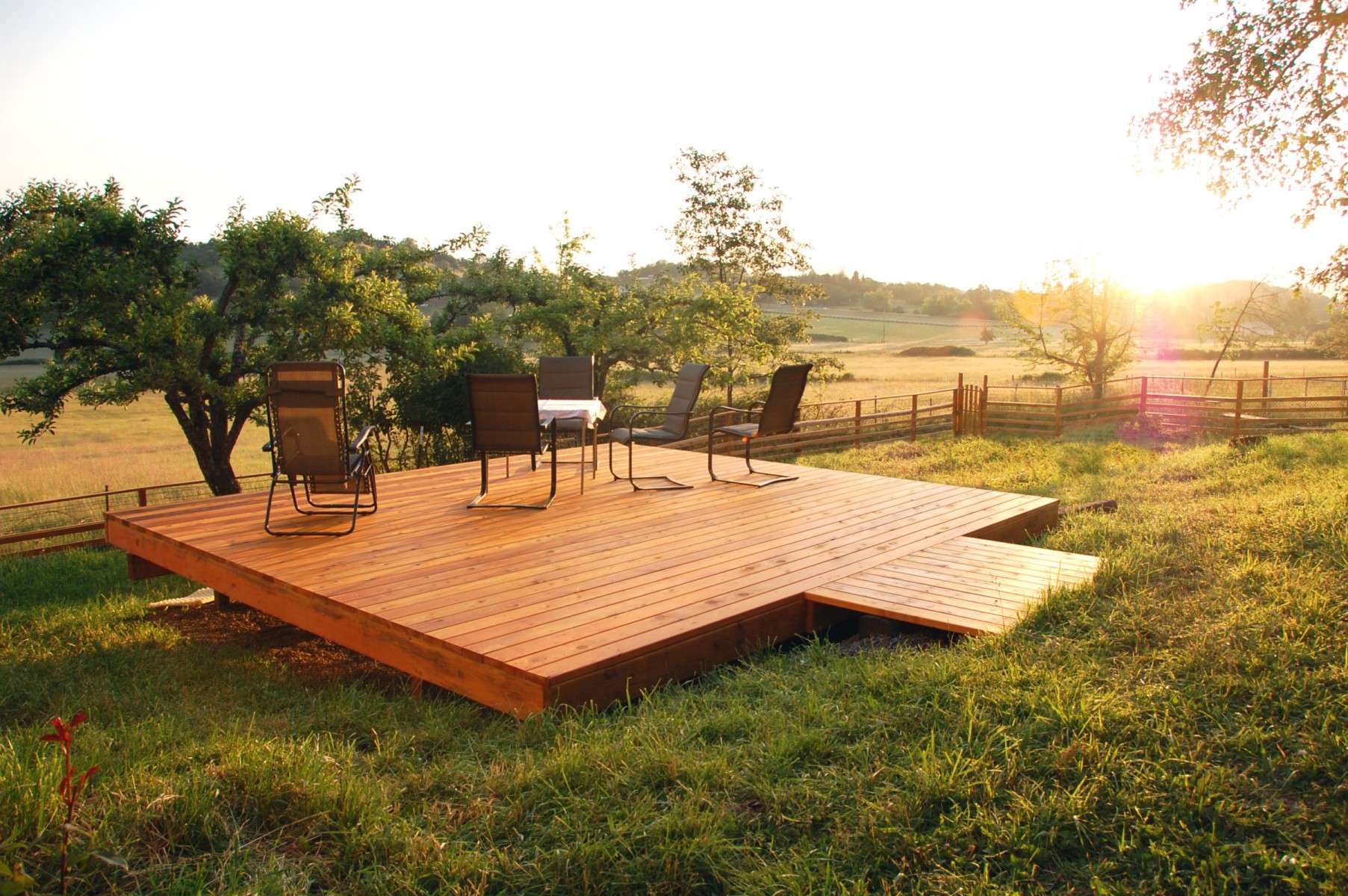
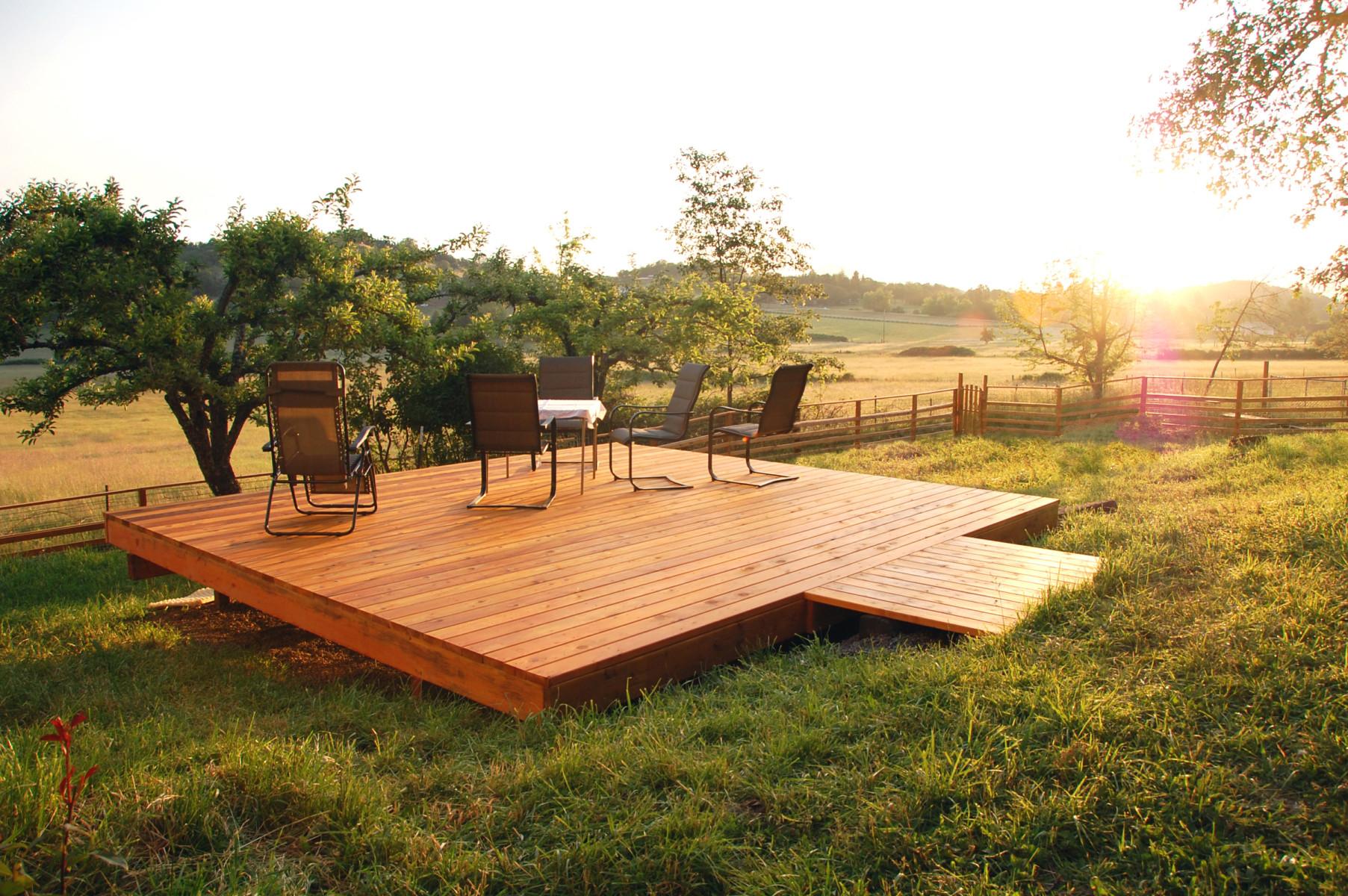
Are you considering building a Western Red Cedar deck? Good call! Nothing looks, feels or smells quite like naturally beautiful Real Cedar. But it doesn’t only look great, it’s also an incredibly durable building material that is naturally resistant to rot, decay and insects. This means it’s a sound investment for your home and quality of life, as it’s going to last you many fun-filled years to come. Or maybe you recently purchased a home that already has a Real Cedar deck installed and you’re not sure how to finish cedar decking. Whether it’s a modest patio or an expansive wraparound deck, you need the lowdown on all the finishing options for your cedar deck.
But, where to begin? Below is a brief summary of how you can best enhance the performance of your deck with minimal maintenance. For a complete breakdown of best practices, download this free, comprehensive How to Finish Western Red Cedar guide.
Selecting the Optimal Finishing Solution for Cedar Deck
Compared to siding applications, decks endure a lot more wear and tear. There’s foot traffic and furniture friction to contend with, as well as sunlight and rain beating directly down on the boards. So, rule number one is always use finishing products specially formulated for decks. Within this wide range of products, there are three major considerations to factor in. The first is what is the desired “look”? Do you simply want to maintain the wood’s original luster? Or do you want create drama by contrasting your deck with your home’s exterior? Or maybe you simply want the lowest maintenance option?
Next, you want to figure out how much time you’re prepared to spend on refinishing your deck. Some products have longer service lives than others. Some last as long as two or three years. Others need to be reapplied every year. And finally, you need to factor in your climatic conditions. Once you’ve considered all of the above, you can then choose from the following three finishing options for your cedar deck:
Benefits of Letting Your Deck Weather naturally
If you’re looking for the lowest maintenance option, you can always let your cedar deck weather naturally. Depending on the environment and design, your cedar deck will still enjoy a long service life. When left unfinished, a cedar deck will eventually turn a beautiful silvery patina.
An alternative would to be apply a transparent water repellent. These products only need to be reapplied every 2 to 4 to reinvigorate water repellency.
Benefits of Applying Transparent & Water Repellents
If you want cedar’s natural tonal range and texture to show through, then consider a transparent stain. These are essentially colorless, but still enhance the service life of your deck. Look for quality products that contain UV filters that help protect from sun damage. These formulas should also contain mold and mildew inhibitors. Keep in mind, they do require frequent reapplication. Note: transparents and water repellents should not be applied on top of other products. Also, solvent borne, oil-based formulas are preferred, as they are well absorbed by the wood.
Benefits of Semi-transparent Stains
Cedar boasts a beautiful spectrum of colors ranging from golden honeys to rich reds to warm browns. If you want to enrich those hues, consider a lightly tinted, semi-transparent stain. These will provide color, but still let the wood’s natural grain and texture show through. The pigments in tinted stains provide more protection against UV than UV filters do in transparent stains. Again, look for solvent-borne, oil-based formulas, as they are better absorbed by the wood and don’t form a film.
Note: The better products contain mildewcides or fungicides.