


Project of the Week – Overland Trail Cabin
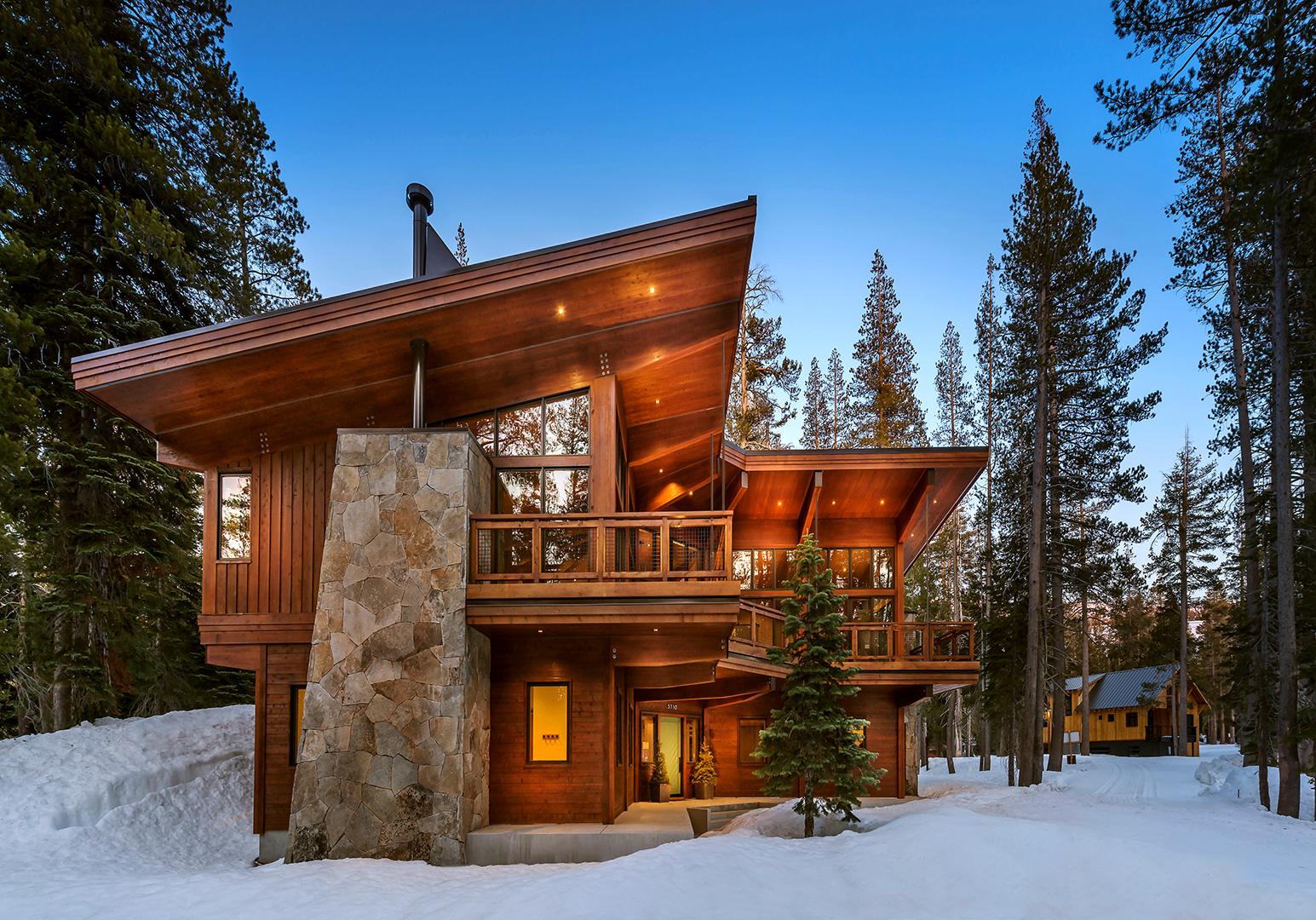
Location: Sugar Bowl Ski Resort California, USA
Architect: BCV Architecture + Interiors
Photography: Vance Fox
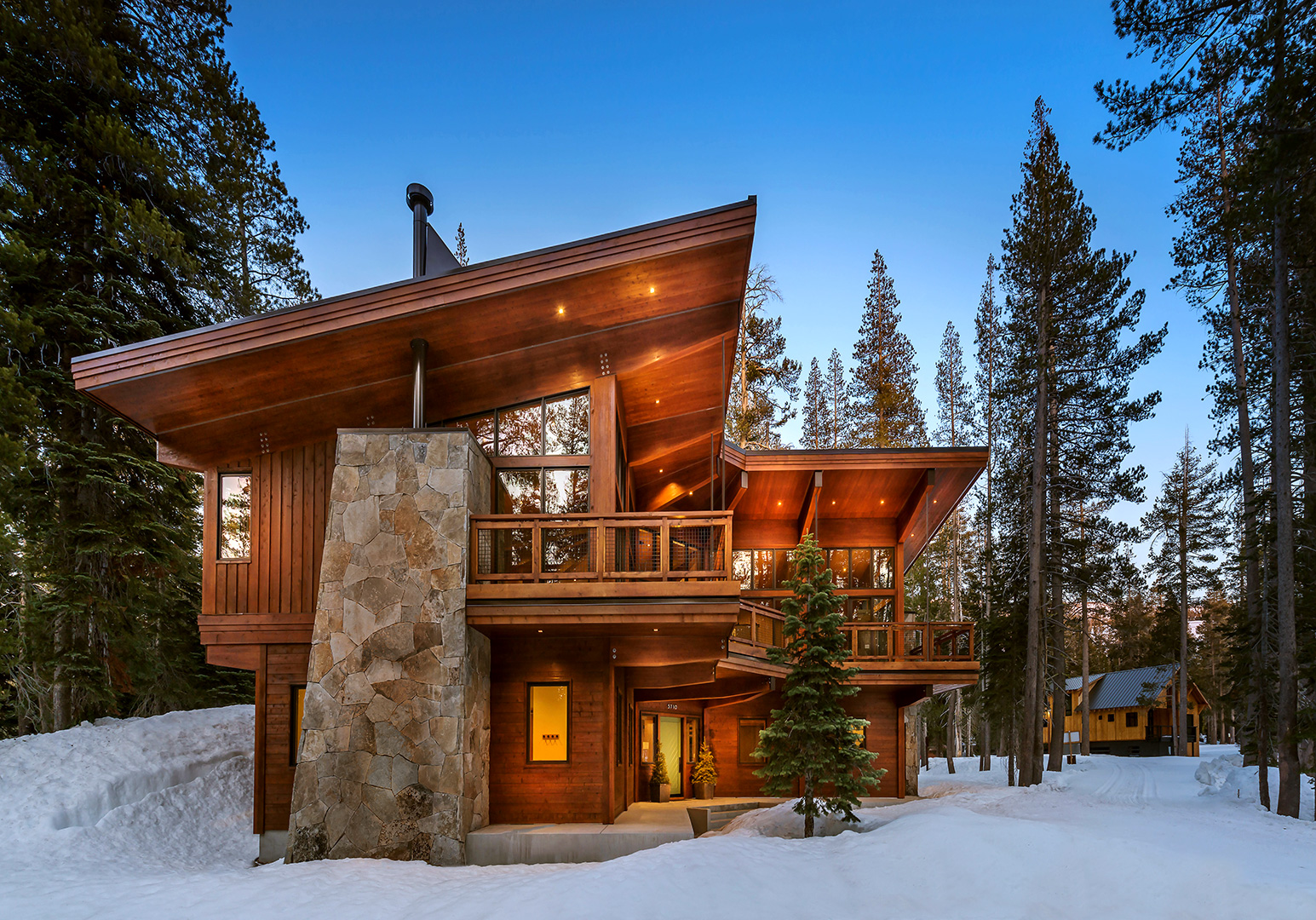
Overland Trail Cabin was designed and built with the objectives of providing a welcoming dwelling for use in all seasons, and with an attention to detail, character and sense of place in keeping with the overall community. And considering its location, the design also factors in the elements.
“Sugar Bowl is known for having some of the heaviest snowfall in the region, averaging 500 inches annually,” explains Hans Baldauf, the project’s principal in charge. “The often extreme weather in the high Sierra contributes to challenging building conditions and the necessity of using durable materials.”
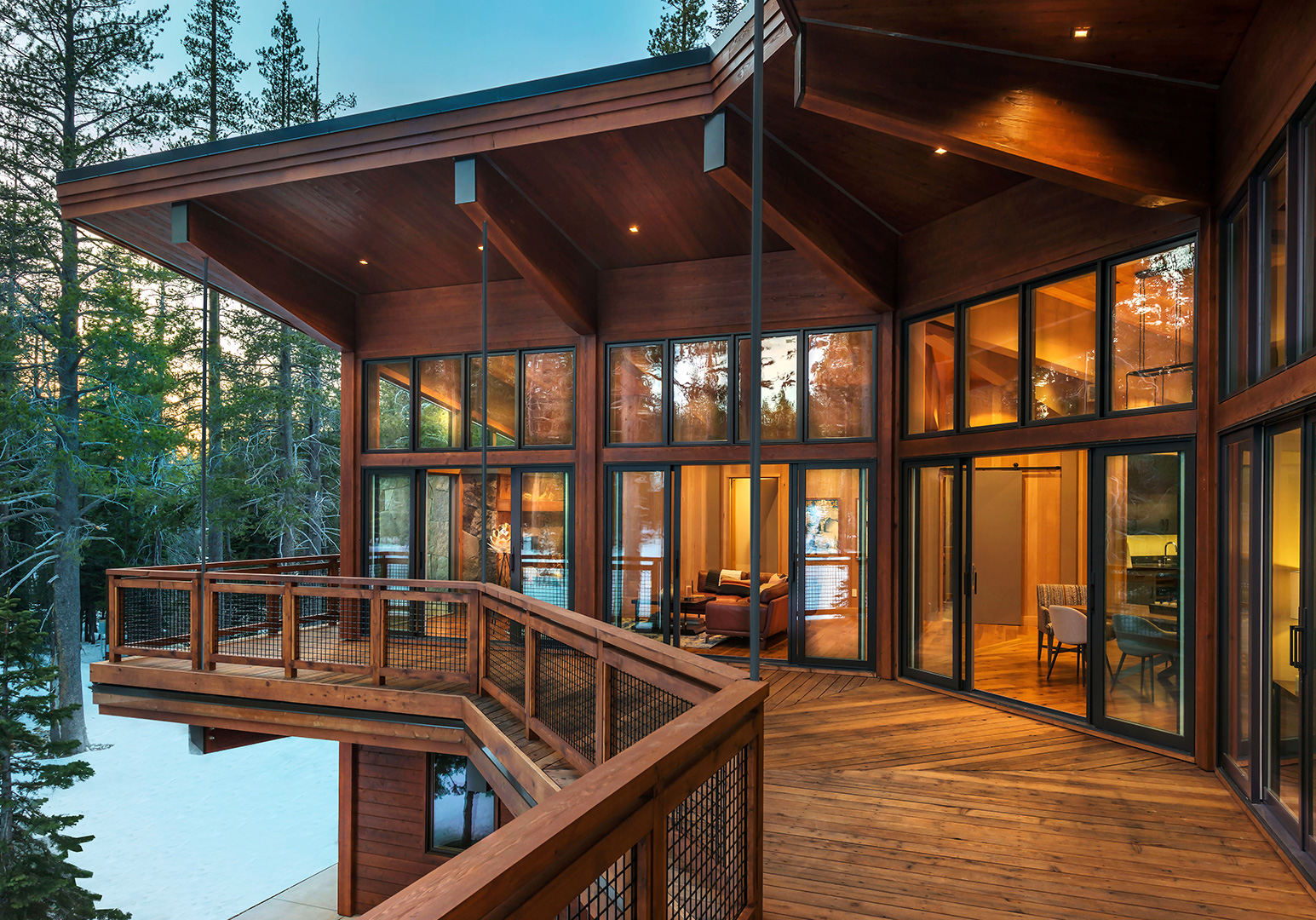
With that in mind, BCV opted for Western Red Cedar siding, soffits and trim. As well as being naturally resistant to rot, decay and insects, cedar is also a green choice. In fact, woods such as Western Red Cedar leave one of the smallest carbon footprints compared to other building material—something that’s important to the BCV team.
“As a firm we strive to use not only sustainable materials, but ones that transform over time,” says Kathryn Callander, one of the project’s architects. “Western Red Cedar is a species of wood popular in the Tahoe area as it is grown in the Pacific Northwest and adapts well in the often extreme climate.”
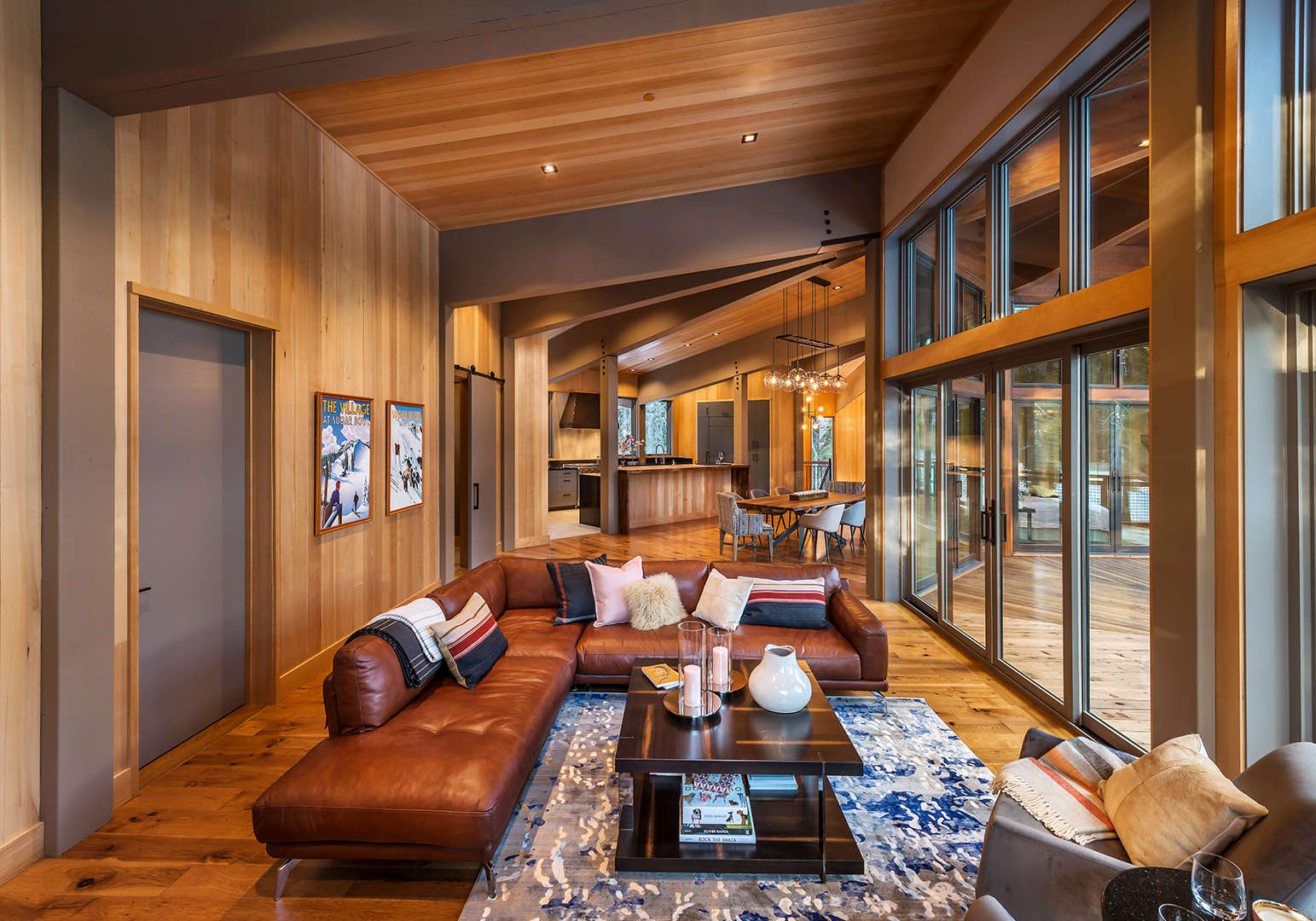
Another high-performance characteristic of Western Red Cedar is that it’s pitch and resin-free, which means it accepts and holds a wide range of finishes beautifully. “We chose a semi-transparent stain on the siding of the house,” says Callander.
“The stain allowed for a darker color for the siding while the natural characteristics of the wood remained visible. Along the soffit of the house we chose a lighter, almost clear stain, allowing the roof to feel brighter despite the assembly requirements in the climate.”
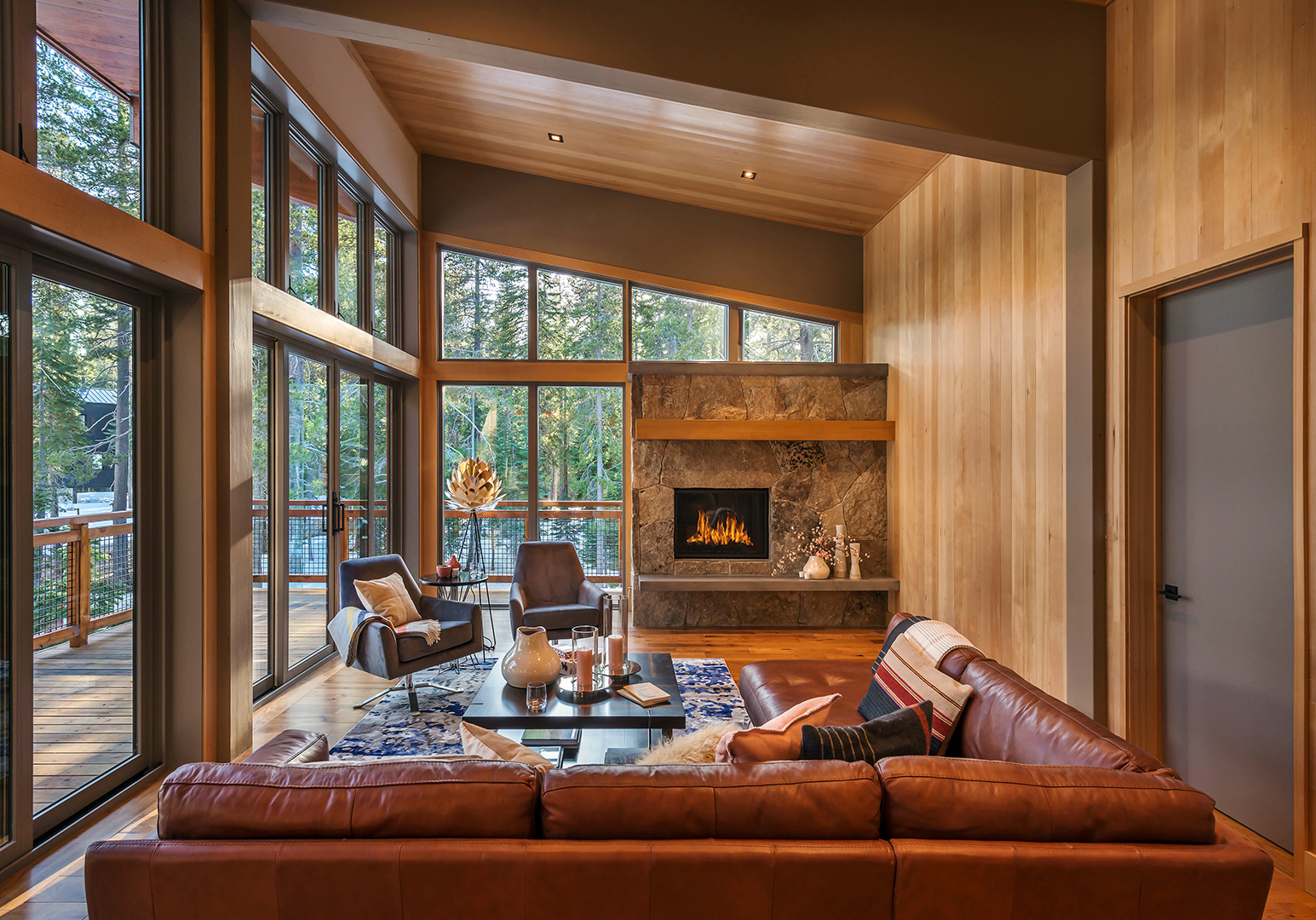
For grades, they specified a beautiful mix of clear and knotty cedar. Not only did that selection add some alpine-esque warmth and texture to the exterior, it also played a part in keeping the project on budget.
“The combination helped both reduce the cost as well as offer a more traditional mountain feel to the design,” notes Callander.
WRC Specifications
Grade: KD ‘A’ & Better and KD Select Knotty
Fastening: face nail
Size: 8x channel and 8x board on board
Finish: semi-transparent stain